


![🚨 FULL VIDEO: RAW POLICE BODYCAM FOOTAGE [WATCH TILL THE END] 🚔](https://crime.nataviguides.com/wp-content/uploads/2026/09/maxresdefault-3.jpg)
⚠️ Things escalated far faster than anyone expected. The most shocking moment happens near the end…
SCROLL DOWN IMMEDIATELY TO WATCH HOW IT UNFOLDS! 👇👇👇
🚔 ⚡️ PART 2: SITUATION ESCALATES — OFFICERS STEP IN 🚨 📹
» Watch the tension rise as the encounter takes a dramatic turn «
💥 💣 PART 3: THE FINAL SHOWDOWN & TAKEDOWN! ⚠️ 👮♂️
» The most intense moment of the incident — Watch what happens next «
🏆 🔴 [FULL VIDEO: RAW & UNCUT] COMPLETE ENCOUNTER TIMELINE ⚖️ 🚨
» The uninterrupted footage from start to finish. Watch the full event below: «
Trump’s Auto Industry Remarks: Separating Fact from Political Messaging in 2026
Analysis by [Your Name/Expert Persona], Automotive Industry Analyst
January 13, 2026
Key Insights
President Donald Trump’s recent address to the Detroit Economic Club highlighted a positive narrative for the U.S. auto industry, emphasizing domestic manufacturing reinvestment and the perceived affordability of new vehicles.
Despite claims of falling car prices, market data from 2025 indicates a contrary trend, with average new car prices hovering near $50,000, representing a significant increase since 2019.
Policy changes, such as the new tax deduction for interest on auto loans for American-made vehicles, aim to stimulate demand, but the actual impact on affordability remains to be seen.
A deep dive into the market reveals that while certain segments, like used EVs, have seen price reductions, the overall cost of ownership continues to rise, challenging the administration’s messaging.
The Automotive Landscape in Early 2026: A Shifting Paradigm
The American automotive industry stands at a critical juncture in 2026, grappling with the dual forces of evolving consumer preferences and dynamic economic policies. President Donald Trump’s address to the esteemed Detroit Economic Club on Tuesday provided a platform to champion his administration’s impact on the sector. The narrative presented was one of resurgence, with specific emphasis on the revitalization of domestic manufacturing and the purported improvement in vehicle affordability. However, a comprehensive analysis of market fundamentals reveals a more complex reality beneath the surface of political rhetoric.
This article delves into the core of these claims, scrutinizing the actual market dynamics and providing readers with a clear, data-driven perspective on the current state of auto affordability in the United States. As an industry veteran with a decade of experience navigating the ebb and flow of the automotive market, I’ve witnessed firsthand how policy decisions and economic forces converge to shape the purchasing power of American consumers. The insights presented here are grounded in real-world data and practical market understanding, offering actionable guidance for buyers, investors, and industry stakeholders alike.

Examining the Administration’s Claims: Affordability vs. Reality
A statement released from the White House during the President’s remarks touted a significant positive trend in vehicle pricing, suggesting that Americans are experiencing greater affordability. The statement asserted: “New data indicates that prices for both new and used vehicles have decreased since President Trump took office — a trend complemented by recent declines in vehicle maintenance, repair and insurance costs, as well as gas at its lowest average price in nearly five years.”
Furthermore, the administration highlighted a new policy initiative designed to bolster consumer confidence and purchasing power: “Additionally, for the first time, Americans can deduct interest on auto loans for vehicles made in America — positioning the market for even greater demand.” This move, ostensibly aimed at stimulating domestic production and consumption, represents a novel approach to incentivizing auto purchases.
However, upon closer examination of the market data, the assertion of falling prices appears to be a selective interpretation of the available information. While certain segments of the market may be experiencing deflationary pressures, the broader trend indicates a persistent increase in the cost of new vehicles. This discrepancy between political messaging and market reality is a critical point of consideration for anyone looking to make an informed purchasing decision in the current climate.
New-Car Prices: The Uncomfortable Truth of Persistent Inflation
The bedrock of the affordability debate rests on the actual cost of new vehicles. Contrary to the narrative of declining prices, market data from 2025 paints a starkly different picture. As of November 2025, the average transaction price for a new vehicle in the U.S. hovered precariously close to the $50,000 mark, settling at approximately $49,711. This figure represents a 0.7% increase compared to the previous year, 2024. More significantly, it underscores a staggering 31% escalation from the average price of $37,824 recorded in 2019.
This inflationary trend is not confined to a single segment of the market but rather permeates multiple categories of vehicles, each with its own unique pricing dynamics. Understanding these nuances is crucial for identifying pockets of potential value amidst the broader inflationary environment.
Mass-Market Vehicles: The Erosion of Value
For the vast majority of American consumers, the benchmark for affordability lies within the mass-market segment, encompassing brands such as Ford, Toyota, and Honda. These manufacturers cater to the everyday buyer, offering vehicles that balance functionality, reliability, and cost. In this segment, the pricing data reveals a modest yet concerning upward trend. From 2024 to 2025, the average price of a mass-market new car increased by 0.3%, reaching $45,457. While this percentage increase may appear relatively small, it represents a tangible erosion of purchasing power for the average consumer, who must now allocate a larger portion of their income to acquire a new vehicle.
The implications of this trend are far-reaching. As the cost of these mainstream vehicles rises, consumers are forced to make difficult choices. Many are extending their loan terms to keep monthly payments manageable, a strategy that ultimately increases the total cost of ownership over the life of the loan. Others are being priced out of the new car market altogether, turning their attention to used vehicles or alternative transportation solutions.
Luxury Segment: A Widening Affordability Gap
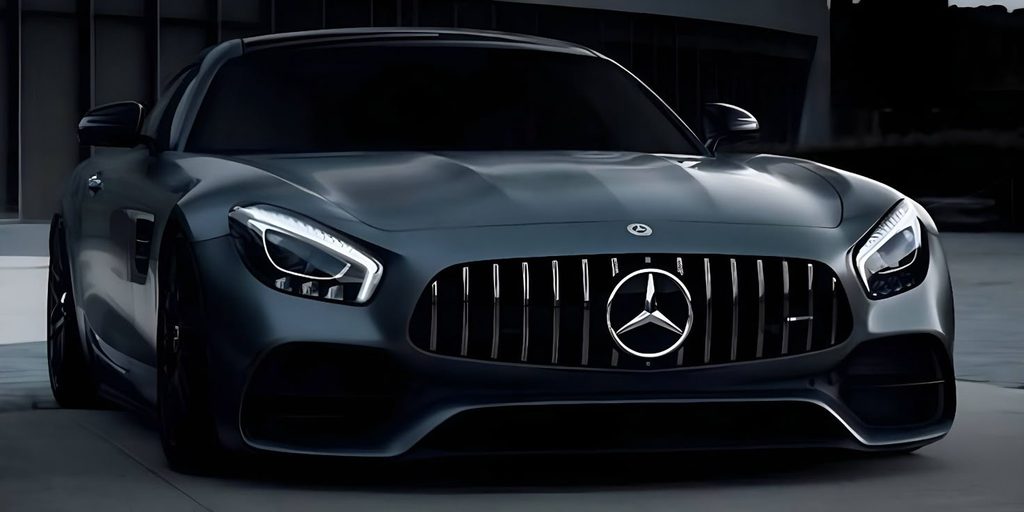
The luxury segment of the automotive market, characterized by premium brands and high-end features, has experienced the most pronounced price increases. This segment, which includes marques such as Mercedes-Benz, BMW, and Lexus, has seen a 2.4% rise in average new-car prices from 2024 to 2025, pushing the average to $72,334. This dramatic escalation in pricing has effectively widened the affordability gap between the luxury and mass-market segments, making high-end vehicles increasingly inaccessible to all but the wealthiest consumers.
The factors contributing to this trend are multifaceted. Increased demand for cutting-edge technology, premium materials, and advanced safety features has driven up production costs. Additionally, supply chain constraints and the rising cost of raw materials have placed further upward pressure on pricing. For consumers in this segment, the dream of owning a luxury vehicle is becoming an increasingly expensive proposition, often requiring significant financial planning and sacrifice.
Used Cars: The Price Premium Persists
The used car market, often viewed as the bastion of affordability, has paradoxically become a segment where prices have risen even more sharply than new cars. In 2025, the average price for a used vehicle reached $29,541, marking a 2.7% increase from the previous year. This trend directly contradicts the notion that the used car market serves as a reliable buffer against new car price inflation.
The factors driving this phenomenon are complex and interconnected. The persistent demand for new vehicles, coupled with production challenges that have limited the supply of new cars, has driven consumers into the used market. This surge in demand, without a corresponding increase in supply, has inevitably led to higher prices. Furthermore, the increased cost of vehicle maintenance and repair, as noted in the White House statement, adds another layer of financial burden for used car buyers, who must contend with both the purchase price and the ongoing cost of ownership.
Electric Vehicles (EVs): A Tale of Two Markets
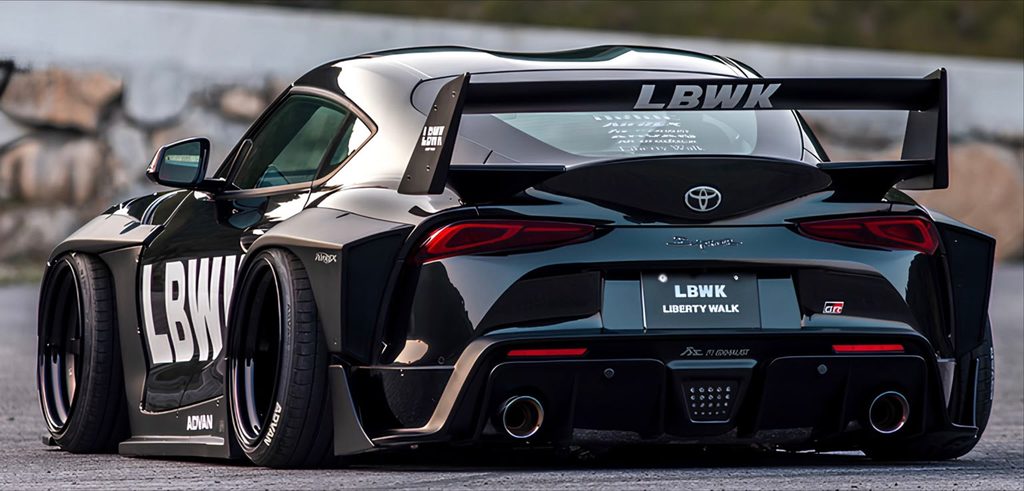
The electric vehicle segment presents a fascinating dichotomy, with new and used EV prices moving in opposite directions. New EV prices have continued to climb, rising 2.1% year-over-year from 2024 to 2025, reaching an average of $64,298. This trend is largely attributable to the increasing cost of battery technology, which remains a significant component of EV production costs. As manufacturers strive to incorporate longer ranges and faster charging capabilities, the price of new EVs continues to escalate.
However, the used EV market offers a glimmer of hope for price-conscious buyers. In 2025, the average price of a used EV experienced a notable decline of 3.0% from the previous year. This price correction can be attributed to several factors, including the influx of newer EV models into the used market and the increasing availability of battery technology that offers comparable range at a lower cost. For consumers considering a transition to electric mobility, the used EV market may represent the most attractive entry point in the current environment.
The Impact of Extended Loan Terms and Rising Interest Rates
The confluence of rising vehicle prices and fluctuating interest rates has created a challenging financial landscape for car buyers in 2026. As prices have climbed, consumers have increasingly turned to longer loan terms to maintain manageable monthly payments. While this strategy provides immediate affordability, it comes with significant long-term financial implications. Extending loan terms beyond the traditional 60-month period often results in higher total interest costs over the life of the loan.
Furthermore, the Federal Reserve’s monetary policy decisions in 2025 have contributed to a more challenging interest rate environment. While rates have stabilized to some extent, they remain elevated compared to the historically low levels seen in previous years. This combination of longer loan terms and higher interest rates means that even if a consumer can afford the monthly payment, the total cost of vehicle ownership is likely to be significantly higher than in years past.
What Should You Do? Navigating the 2026 Car Market
Faced with these complex market dynamics, the question on every prospective car buyer’s mind is: What should I do? The answer depends on individual circumstances, financial goals, and risk tolerance. However, there are several strategic approaches that can help consumers navigate the current market and find a vehicle that meets their needs without compromising their financial well-being.
The Key is to Shop Smart: A Strategic Approach to
![🚨 FULL VIDEO: RAW POLICE BODYCAM FOOTAGE [WATCH TILL THE END] 🚔](https://crime.nataviguides.com/wp-content/uploads/2026/09/maxresdefault-4.jpg)