


![🚨 FULL VIDEO: RAW POLICE BODYCAM FOOTAGE [WATCH TILL THE END] 🚔](https://crime.nataviguides.com/wp-content/uploads/2026/09/maxresdefault-1.jpg)
⚠️ Things escalated far faster than anyone expected. The most shocking moment happens near the end…
SCROLL DOWN IMMEDIATELY TO WATCH HOW IT UNFOLDS! 👇👇👇
🚔 ⚡️ PART 2: SITUATION ESCALATES — OFFICERS STEP IN 🚨 📹
» Watch the tension rise as the encounter takes a dramatic turn «
💥 💣 PART 3: THE FINAL SHOWDOWN & TAKEDOWN! ⚠️ 👮♂️
» The most intense moment of the incident — Watch what happens next «
🏆 🔴 [FULL VIDEO: RAW & UNCUT] COMPLETE ENCOUNTER TIMELINE ⚖️ 🚨
» The uninterrupted footage from start to finish. Watch the full event below: «
The Illusion of Affordability: Navigating the High-Priced Reality of the American Auto Market in 2026
In recent months, the American automotive landscape has become a confusing paradox. On one hand, political rhetoric and White House statements suggest a surging auto industry where new cars are becoming more accessible than ever. Yet, for the average consumer facing mounting household expenses and stagnant wages, the reality on dealership lots tells a starkly different story. A decade of fluctuating economic pressures, shifting consumer behaviors, and the lingering shadow of supply chain disruptions has pushed new vehicle prices to unprecedented levels, challenging the very notion of affordability for working families.
Understanding the current state of the U.S. car market requires looking beyond campaign talking points and diving into the hard data. This article, informed by extensive industry analysis and real-world market observations, dissects the forces shaping car prices in 2026, evaluates the true financial impact on consumers, and outlines actionable strategies for anyone looking to navigate this challenging environment.
The Shifting Sands of New Car Pricing
To appreciate the current situation, one must first acknowledge the significant upward trajectory of new car prices over the past several years. While the White House may tout recent stabilization or minor dips, the long-term trend reveals a market that has fundamentally changed. According to comprehensive market data, the average transaction price for a new vehicle in the United States has hovered around the $50,000 mark for an extended period. This figure represents a staggering increase of approximately 30% compared to pre-pandemic levels, fundamentally altering the calculus for potential buyers.
Breaking down these figures further, we see significant variations across different vehicle segments. Mass-market brands, once the bedrock of affordable transportation, have not been immune to these pressures. The average price for vehicles from mainstream manufacturers has crept steadily upward, driven by a confluence of factors including rising material costs, increased labor expenses, and the ongoing technological demands of modern vehicles. This trend places many traditional entry-level models out of reach for first-time buyers and budget-conscious consumers, forcing them to either stretch their budgets precariously or reconsider their transportation needs altogether.
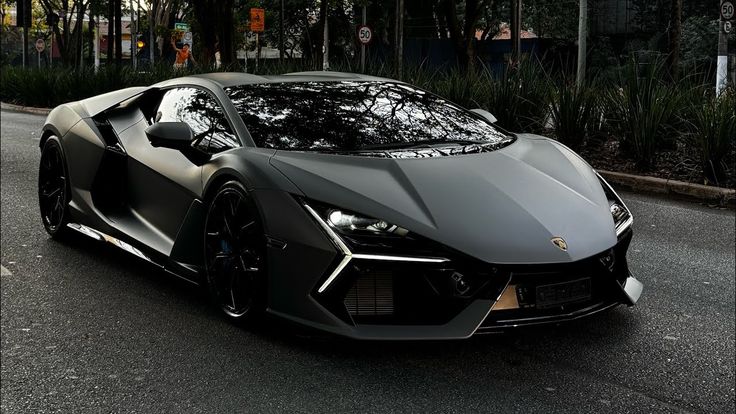
Luxury and electric vehicle segments, while often representing premium offerings, have experienced even more dramatic price escalations. The cost of advanced materials, sophisticated battery technology, and the high demand for cutting-edge features have pushed luxury vehicles into rarefied air, accessible only to the wealthiest tier of consumers. Similarly, while electric vehicles (EVs) are often touted as the future of sustainable transportation, their average sticker prices remain substantially higher than their internal combustion engine counterparts, creating a significant barrier to entry for the average American household looking to make the switch.
The Used Car Market: A More Complex Picture
The used car market presents a similarly nuanced scenario. While the hype often focuses on the new car market, used vehicle prices have also experienced significant volatility. Following the supply chain disruptions that plagued the industry in the early 2020s, the demand for used cars surged, driving prices to historic highs. Although these prices have seen some moderation in recent years, they remain substantially elevated compared to historical norms. This persistent high pricing in the used market effectively erodes one of the traditional safety nets for budget-conscious buyers, as the “cheaper” alternative is no longer as affordable as it once was.
Furthermore, the age of vehicles being purchased has shifted. With new cars costing more, consumers are holding onto their existing vehicles longer, reducing the supply of well-maintained used cars. This scarcity further inflates prices for the available inventory, creating a difficult cycle for buyers seeking value.
Understanding the Driving Forces Behind Rising Prices
The surge in new car prices is not attributable to a single factor but rather a complex interplay of economic forces that have reshaped the automotive landscape. Perhaps the most significant contributor has been the persistent pressure on supply chains. The global semiconductor shortage, which began several years ago, exposed the fragility of the automotive industry’s just-in-time manufacturing model. While the most acute phase of the shortage has passed, its effects continue to ripple through the market, limiting the availability of certain components and forcing automakers to prioritize higher-margin vehicles.
Beyond semiconductors, the cost of raw materials has played a crucial role. The prices of steel, aluminum, and the rare earth minerals essential for EV batteries have experienced significant fluctuations, driven by global demand and geopolitical tensions. These increased input costs are inevitably passed on to consumers in the form of higher sticker prices. Furthermore, the increasing complexity and technological sophistication of modern vehicles contribute to higher manufacturing costs. Features that were once considered luxury options, such as advanced driver-assistance systems, infotainment technologies, and connectivity features, are now standard on many new models, adding to the overall price tag.
Labor costs also present a significant factor. As union negotiations in the automotive sector have resulted in higher wages and benefits, these increased operational expenses are reflected in the final price of the vehicles rolling off the assembly lines. Finally, the shift in manufacturing priorities by major automakers has also influenced pricing. Faced with constrained production capacity and the desire to maximize profitability, many manufacturers have scaled back their production of lower-margin, entry-level vehicles, instead focusing on higher-priced SUVs, trucks, and luxury models.
The Impact on Consumer Finances and the Real Cost of Ownership
The financial implications of these rising prices are profound for the average American consumer. For many, the dream of owning a new car has become increasingly distant, forcing difficult decisions about how to manage their transportation needs. This challenge is compounded by the reality of rising interest rates. As the Federal Reserve has adjusted monetary policy to combat inflation, the cost of borrowing money has increased. This directly impacts auto loans, meaning that even if a consumer can find a vehicle within their budget, the monthly payments may be significantly higher due to elevated interest rates.
The concept of “longer loan terms” has become increasingly common as a coping mechanism. To keep monthly payments manageable in the face of high sticker prices and interest rates, buyers are stretching their loan terms to six, seven, or even eight years. While this may provide short-term relief, it comes with significant long-term costs. Extended loan terms mean paying interest over a longer period, ultimately increasing the total amount of money spent on the vehicle. Furthermore, buyers are more likely to be “underwater” on their loans, meaning they owe more on the car than it is worth, making it difficult to trade in or sell the vehicle if their circumstances change.
The total cost of ownership extends far beyond the purchase price or monthly payments. Insurance costs, for example, have also been on the rise. As vehicles become more complex and expensive to repair, insurance premiums inevitably increase. This additional cost further strains household budgets, particularly for younger drivers or those with less-than-perfect driving records. Vehicle maintenance and repair costs have also seen an uptick, driven by the same factors that contribute to higher new car prices – more complex technology and specialized parts.
The White House Auto Affordability Statement: A Closer Look
A recent statement released by the White House highlighted several positive trends in the automotive market, including a reported decrease in the average price of both new and used vehicles, as well as lower costs for vehicle maintenance, repair, and insurance. The statement also noted that gasoline prices had reached their lowest average price in nearly five years. Additionally, it touted a new policy allowing Americans to deduct interest on auto loans for vehicles manufactured in the United States, positioning this as a measure to stimulate demand.
While these points may reflect certain market conditions, they present a curated view of the overall affordability landscape. It is true that gasoline prices have fluctuated, and periods of lower prices can provide temporary relief to consumers. However, the long-term volatility of energy markets means that this benefit is not guaranteed. Similarly, while some cost components may have experienced recent declines, the broader trend of rising prices remains the dominant narrative for most consumers. The new tax deduction for interest on loans for U.S.-made vehicles, while potentially beneficial for a subset of buyers, does not address the fundamental issue of high vehicle prices and may not offset the increased costs for the majority of consumers.
Navigating the Market: Strategies for Smart Car Buying in 2026
Given the complexities of the current market, prospective car buyers need to approach their purchasing decisions with careful planning and a clear understanding of their financial realities. The key to navigating this environment is to shop smart and be realistic about what is achievable.
For those seeking more affordable options, the market still offers vehicles with starting prices under $30,000. However, the number of these models is diminishing, and buyers must be diligent in their research. Utilizing online tools such as car affordability calculators can provide a realistic assessment of what a household can comfortably afford, taking into account not just the sticker price but also insurance, taxes, and ongoing ownership costs.
Shopping by budget is a crucial strategy. Rather than being drawn to specific makes or models, buyers should first determine their maximum comfortable monthly payment and then explore the vehicles that fit within that constraint. This may involve looking at different vehicle segments or considering models that are slightly older but still offer reliability and value.
Leveraging available resources is also essential. Numerous automotive websites and publications provide comprehensive coverage of affordable vehicles, including lists of the cheapest new cars, SUVs, and trucks. These resources can help buyers identify potential options that align with their budget and needs. Furthermore, exploring the used car market with a discerning eye can uncover hidden gems, but buyers must be prepared to thoroughly inspect vehicles and potentially invest in pre-purchase inspections to ensure they are getting a reliable product.
The Reality of Incentives and Discounts
In an effort to move inventory and attract buyers in a challenging market, automakers and dealerships often offer incentives and discounts. However, consumers should approach these offers with caution. While a low-interest financing deal or a cash-back rebate may seem attractive, it is essential to evaluate whether the underlying vehicle price is reasonable. Sometimes, incentives can mask
![🚨 FULL VIDEO: RAW POLICE BODYCAM FOOTAGE [WATCH TILL THE END] 🚔](https://crime.nataviguides.com/wp-content/uploads/2026/09/maxresdefault-2.jpg)